
The number of citizens exercising their Second Amendment rights and choosing to carry concealed is growing exponentially. As more people join the ranks, everyone is hunting for wisdom on the subject.
Stepping into the world of daily carry always brings to mind Uncle Ben’s famous words to Peter Parker: “With great power comes great responsibility.”
Carrying a firearm means leaving your ego at the front door every morning. It means patience must become your primary virtue. Training and practice can’t just be a weekend hobby—they have to become a way of life. Most importantly, you must remember that the moment you step out into the world armed, every single altercation you get into becomes an armed altercation, whether a gun is unholstered or not.
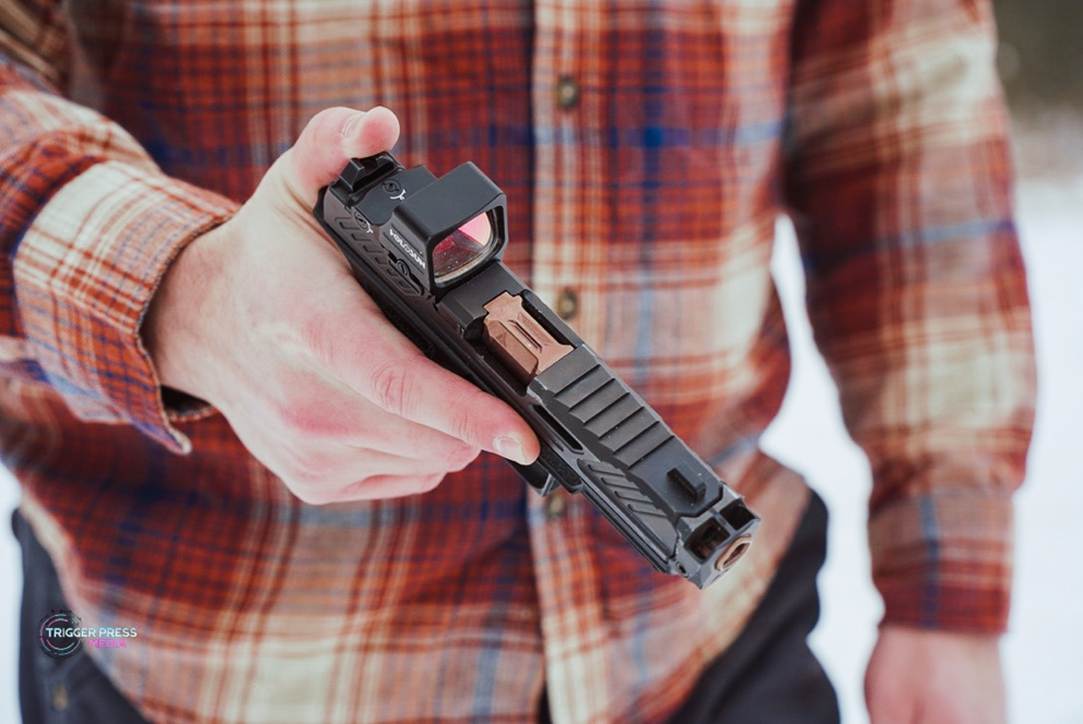
Beyond the mindset, joining the legion of armed citizens requires using quality gear. (We’ll go ahead and let you get all of your SIG drop-safety jokes out of your system now. Take a moment. We’ll wait.)
When building a reliable concealed carry system, you need to budget for six main components:
- The Pistol
- The Holster
- The Red Dot
- The Ammunition
- The Belt
- The Training
Your carry rig is a life-saving system. While staying within your financial means matters, this is not the area of your budget to nickel-and-dime.
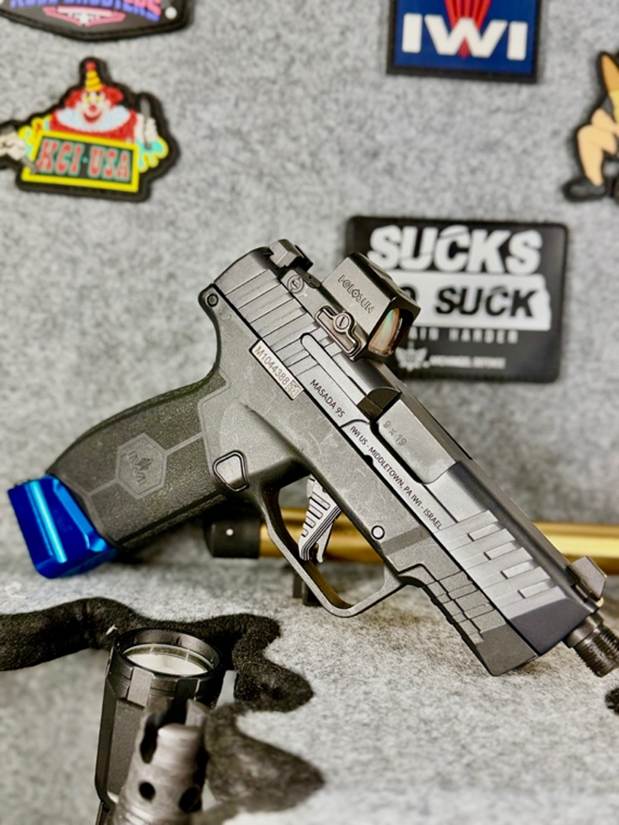
1. The Pistol: Choosing Your “Pew Pew Blaster 3000”
Let’s start with the sidearm, as it’s easily the most fun piece of gear to debate online. When evaluating a pistol for daily carry, look for these non-negotiables:
- Chambered in 9mm
- Optics-ready slide
- Capacity for 13+ rounds
- Ergonomic fit for your hands
- Proven reliability
- Readily available magazines and holsters
Someone out there is already typing a furious comment because I didn’t recommend .45 ACP. Hear me out: 9mm is the modern standard for a reason. It offers a significantly higher capacity than .45 ACP or .40 S&W, defensive and practice ammunition are widely available, and modern ballistics have made it exceptionally effective.
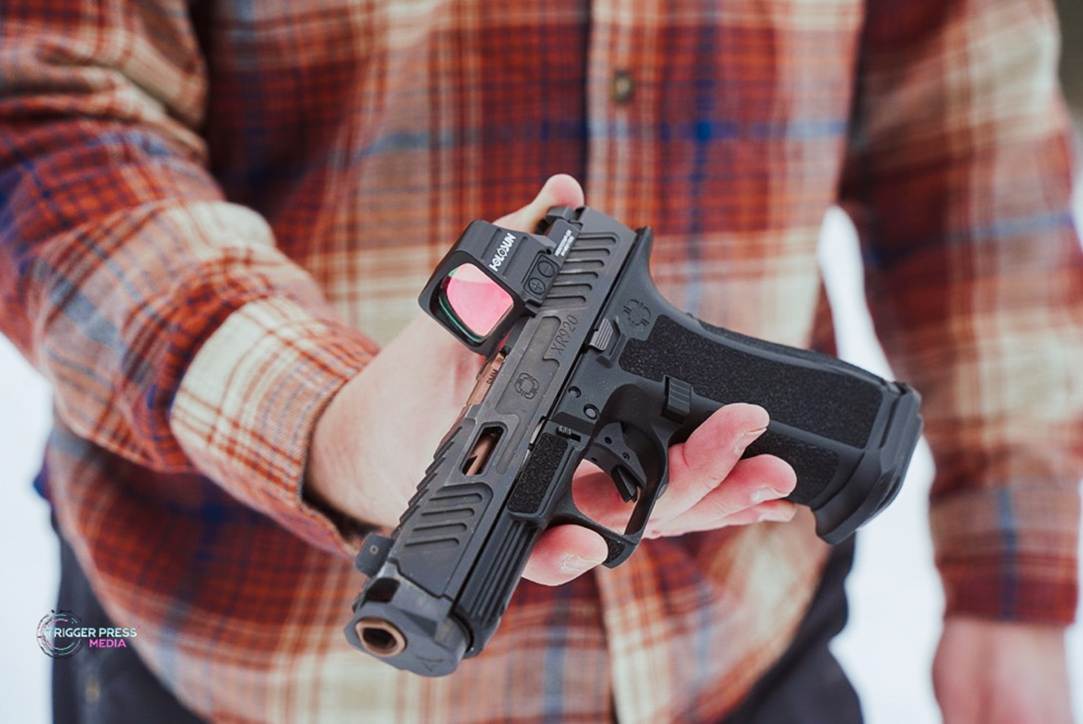
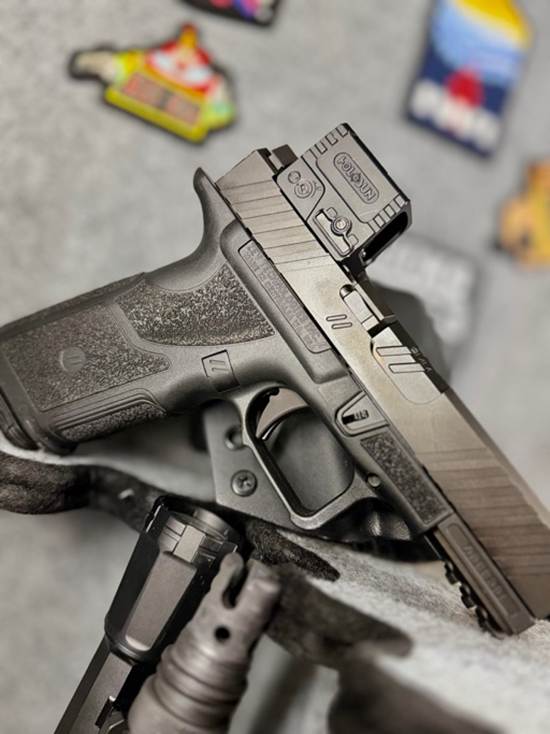
Optics-ready slides are an absolute must. Think of a red dot as a real-life cheat code to jump your accuracy from Level 1 to Level 10. You get on target faster, shoot more accurately, and keep both eyes open to process threat information.
Capacity matters because, despite what Hollywood movies claim, a single round rarely stops a threat immediately. Movies also fail to mention that you won’t get to choose how many attackers show up, nor will every shot you fire under extreme stress be a bullseye. Furthermore, stick to mainstream models. What good is the fancy “Pew Pew Blaster 3000” if it’s an obscure one-off and no one actually manufactures a holster for it?
As for reliability: a good rule of thumb is running 500 rounds through the gun with zero malfunctions before it earns a spot on your belt.
Top Pistol Recommendations:
- Small/Compact: IWI Masada Slim
- Full/Mid-Size: Shadow Systems XR920, Glock 17 or 19, or ZEV Technologies models.
(Glock-compatible magazine ecosystems and parts interchangeability go a long way in the practical world.)
2. The Holster
You’ve just invested good money in a quality pistol—do not ruin it by wrapping it in a $20 universal nylon sock from the discount bin at Walmart.
Your holster must be custom-molded to your specific firearm. Crucial factors include overall comfort, a proper wing/claw to tuck the grip, solid retention, and maximum concealability. Quality kydex holsters generally start around $80+. Do not be tempted by those $15 online specials promising the world. It’s a scam.
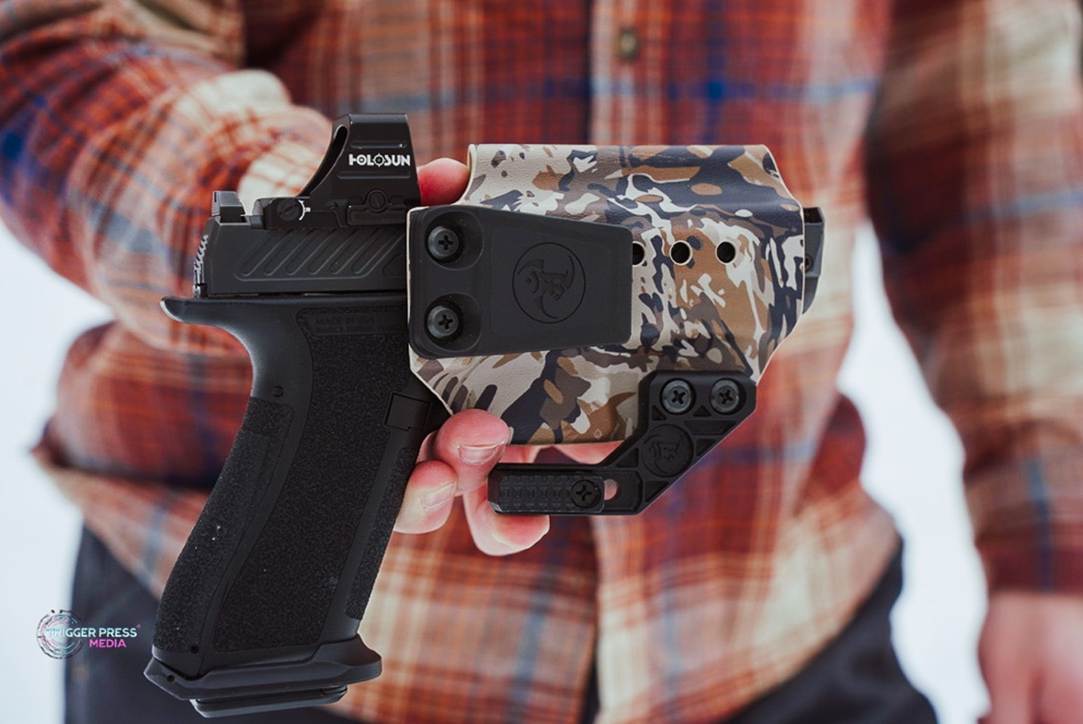
Quality gear costs money, and when you are holstering a deadly weapon pointed straight at your femoral artery, cheaping out is a bad gamble. A great holster secures your firearm, completely covers the trigger guard, and ensures you finish the day with the same number of holes in your body that you started with. This is especially vital for those who carry Appendix (AIWB).
For years, setups like those from AnR Design holsters have proven themselves as the toughest holsters on the market. Keep in mind, a top-tier holster will routinely outlast the pistol inside it.
3. Red Dots: Welcome to the Future
If your slide is cut for an optic, use it. A red dot gives you the ability to engage targets with both eyes open, place well-aimed shots under stress, and handle high-contrast or low-light scenarios effortlessly.
When selecting an optic for defensive use, prioritize three things: rugged construction, an enclosed emitter, and a direct-mount footprint whenever possible.
An enclosed emitter seals the LED inside a housing with glass on both ends. This prevents lint, dust, rain, snow, or rogue Chick-fil-A sauce from blocking the light source when you need it most.
Most slides come cut for either an RMR, Holosun K, or ACRO footprint. If your setup requires an adapter plate (like a standard Glock MOS), skip the factory plates and buy a heavy-duty aftermarket plate from a trusted maker like Calculated Kinetics.
While enclosed options are ideal, use what you shoot best. Options like the Holosun EPS, EPS Carry, 509T, or the Holosun MICRO (designed for ACRO cuts, perfect for ZEV slides) are phenomenal choices. Open optics like the Holosun 507Comp perform exceptionally well for those of us shooting competition and want to keep the same optic we shoot competition with on our carry firearm.
4. Defensive Ammunition: Not All Lead Is Created Equal
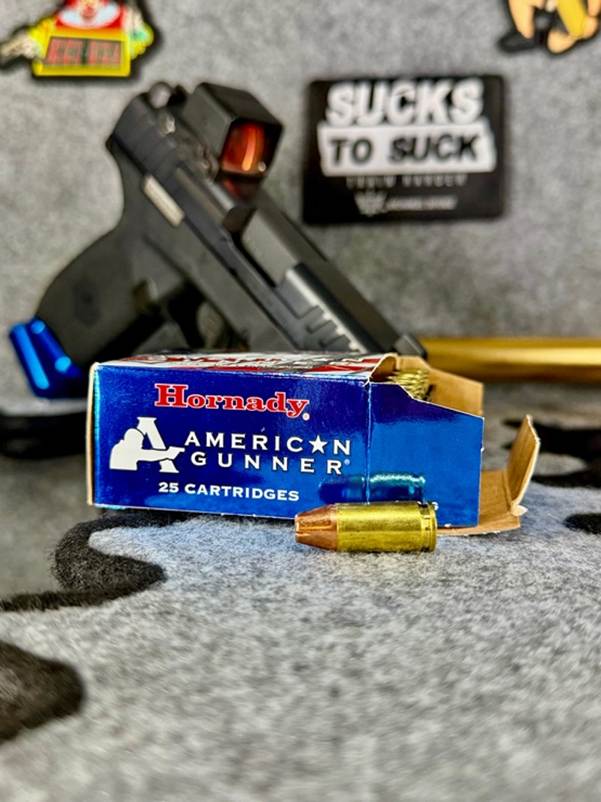
Carrying full metal jacket (FMJ) range ammo for self-defense is a mistake. Premium defensive rounds from manufacturers like Hornady, Federal, or Speer offer precise powder charges, flash-suppressed powders, high-grade brass, and jacketed hollow-point designs that expand reliably inside a threat.
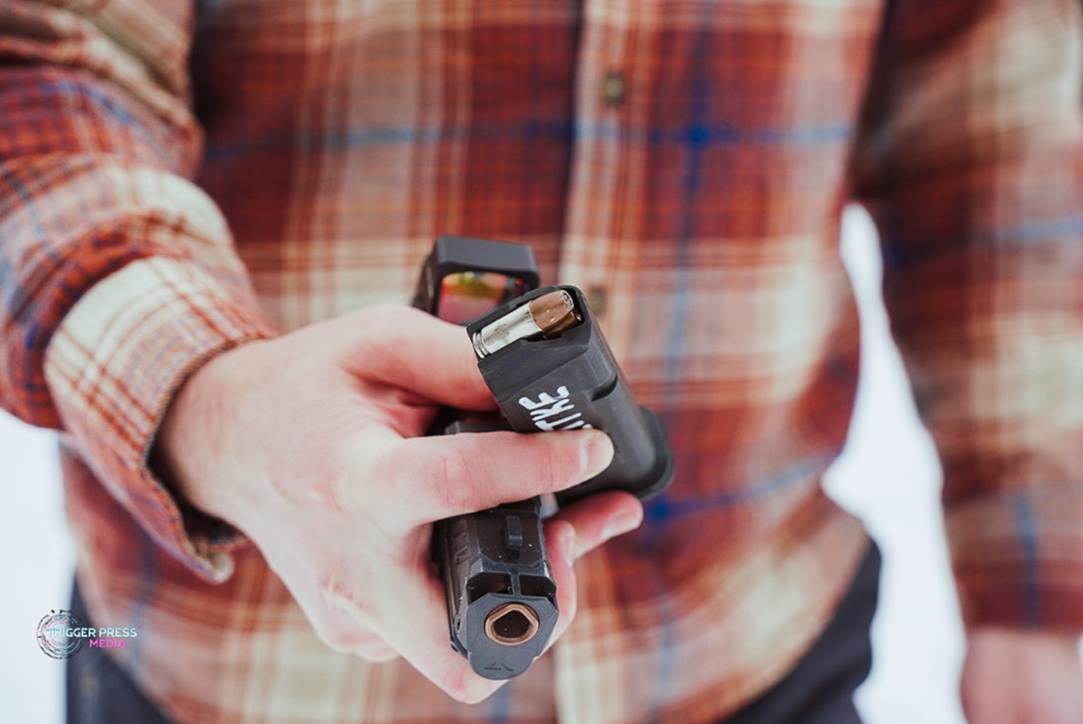
Self-defense loads come in various bullet weights (e.g., 124gr vs 147gr) and configurations. You must test your chosen carry load in your specific handgun to verify that it functions reliably in your firearm. Most modern-made defensive ammunition will work in any quality firearm; however, every once in a while you find a firearm that doesn’t like certain ammunition.
Run a couple of boxes of your chosen carry ammo through your gun to test function. If it runs cleanly, buy enough to run 150–200 rounds continuously through your defensive magazines without a single hiccup.
5. Belts and Training: The Unsexy Essentials
It’s easy to get excited about custom slides, red dots, and titanium parts to show off online. Belts and formal instruction rarely get internet clout, but they are the bedrock of the entire system.
Stepping into the world of daily carry brings to mind a lesson straight out of Dragon Ball Z: Having high-tier gear doesn’t mean anything if your baseline power level is weak and you haven’t put in the hard work on King Kai’s planet. You can’t just slap on a scouter, buy an expensive blaster, and assume you’re ready to fight Cell.
The Belt
A soft, floppy leather dress belt will sag, roll over, and shift your holster out of position every time you bend over. A purpose-built, rigid gun belt keeps the firearm anchored right where you need it. A well-built EDC belt can easily last over a decade—it might end up looking scuffed and battered, but it will do its job every single day. My current belt, ARES gear, is nearly 15 years old and still going strong.
The Training
Here is a sobering truth from years of teaching courses and running range events: A $2,000 custom pistol does not make a $2,000 shooter.
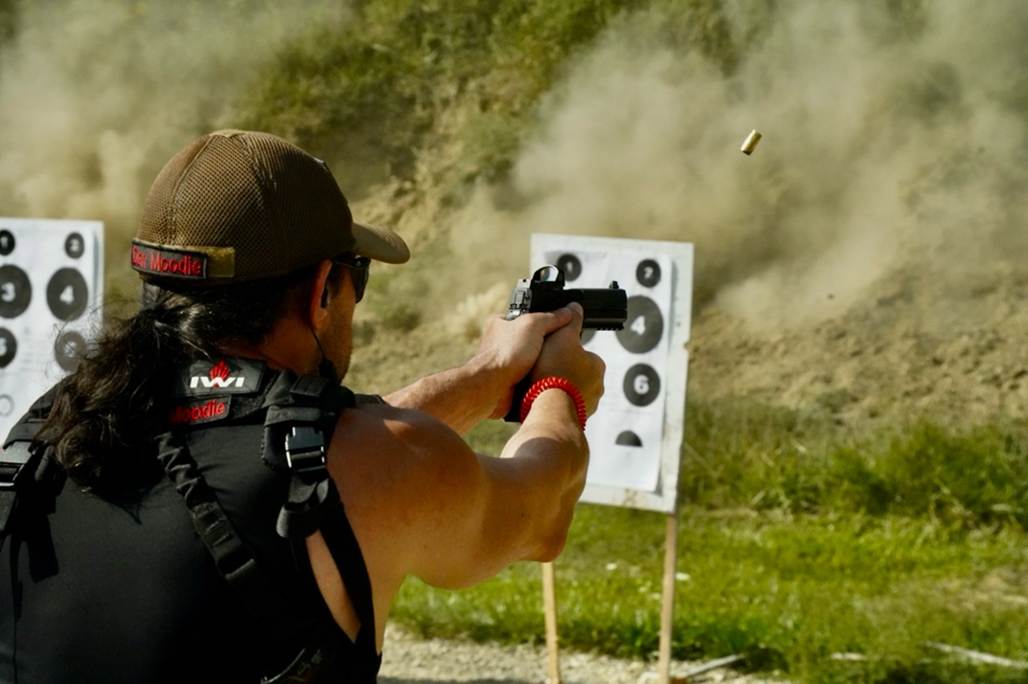
It is astonishingly common to see people show up to high-end tactical courses with thousands of dollars in gear who cannot reliably hit an IPSC target at 25 feet under zero stress.
Remember: Every bullet you fire has a lawyer attached to it.
Training builds the skill required to draw, index, and hit your target efficiently under extreme stress. It shifts your baseline skill level far above the average gun owner who only visits an indoor range once a year to shoot at static paper from five yards away.
Final Thoughts
Your concealed carry rig is a personal life-preserver. Invest in quality components. Test every piece of your gear until you know its exact limits. Most importantly, invest in yourself through consistent, high-quality instruction.
The middle of a life-threatening encounter is the absolute worst time to find out your budget holster slips, your red dot died, or your skills aren’t up to the task. Build a reliable system, train hard, and carry smart.
